The importance of acceptance in a world filled with judgement and an unachievable pressure to be ‘perfect’
By definition, acceptance is described as a soft, brave decision to stop fighting what already is. A willingness to meet yourself exactly where you are, without punishment. It is not resignation, but relief.
As a 44-year-old woman, right in the middle of learning what acceptance actually looks like in a body that feels new and unfamiliar, I wanted to put some personal thoughts to paper. Writing has never been my strongest skill, so please bear with me. My hope is simply that something here might resonate, or gently shift something within you, or even just help you understand why you sometimes feel the way you do and know that it is okay.
Credit: Caroline Acaster
Two days after receiving my breast cancer diagnosis last September, I took myself to one of my favourite places, Anglesey Abbey. I go there often to be with the trees, which I absolutely love. I needed space to walk, breathe and try to make sense of what I had just been told.
While I was there, I kept noticing an elderly woman walking nearby, wearing a red coat. Eventually she smiled and said hello, and we fell into conversation. Her name was Annie. She was 82 years old and told me that she visits Anglesey Abbey several times a week while living with terminal bone cancer. She said it was something she rarely shared, but for some reason felt okay telling me.
At that point, I broke. I told her that I had been diagnosed with breast cancer two days earlier, and then came the tears. We hugged, talked, and hugged some more. Before she left, she gave me one piece of advice that I will carry with me forever.
“Acceptance, Charlotte. If we accept what has happened, we feel no anger, and we allow movement in, whatever form that takes.”
Annie, 82, Anglesey Abbey, September 2025
Annie knew her cancer was terminal. She wanted to spend every possible moment with her grandchildren and in nature.
For me, acceptance looked different. I needed to stop believing that cancer was some kind of punishment. My first reaction was not anger, but a quiet, heavy “why me?”. Over time, I began to see it differently. Not as something sent to punish me, but perhaps something that tested me, showed me my strength, and forced me to reassess how I was living.
Maybe it was a reminder to enjoy life more, to have more fun, to experience more and worry less. That last part is still very hard when you live with severe anxiety.
Looking back, accepting the diagnosis itself was not the hardest part. What I am now working through is accepting the body I am left with, now that the cancer is gone. I am endlessly grateful to be here, but learning to live in this changed body has been harder than anything I have faced before.
Since the age of 13, I have hated my body. Not because I wanted to, but because I was repeatedly told that I should. I was called too fat, too tall, told I had disgusting tree trunk legs, ugly eyes. The insults piled up for years. By 14, I was fighting anorexia and was given only weeks to live. Surviving that felt like the end of my body battles, and in many ways I was lucky. All I had ever really wanted was to become a mum.
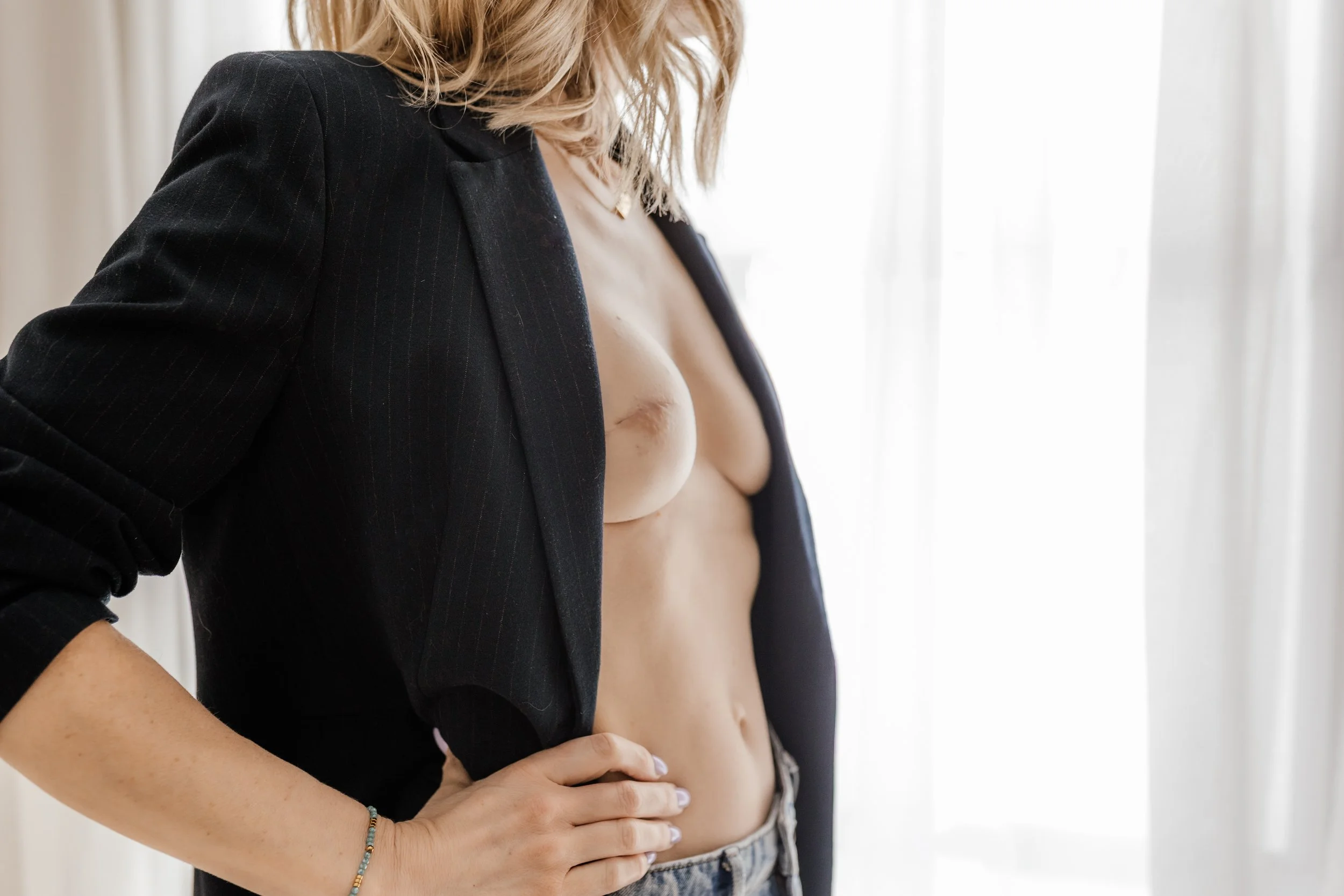
Fast forward to today, and my body tells a story. It is a map, a patchwork of survival. A full hip replacement in 2025. Two caesareans. Breast cancer. A full mastectomy. If I am honest, I have spent much of my life at war with this body. Critiquing it, comparing it, trying to shrink it, fix it or perfect it, as if love were something it had to earn.
As a personal stylist, I spend my days helping women see themselves more clearly. I hear the inner critics they carry, sometimes quietly, sometimes loudly, pointing out every perceived flaw. Not thin enough. Not young enough. Not polished enough. Not enough. And even with all that awareness, I have had to dig deeper than ever to practise what I gently encourage in others, acceptance.
My body and I have been through a lot together. When I step back, I feel deep gratitude for still being here. These scars and war wounds have shown me just how extraordinary the human body really is.
There is something humbling, and at times terrifying, about being forced to meet your body again after illness. To realise that the body you once criticised without mercy is the very thing that kept you alive. The body that adapted, healed, endured and carried on when you felt you could not. This body has grown two children, held pain and trauma, and still shows up for me every single day.
As women, we are asked to shape shift constantly. Adolescence arrives and our bodies change faster than our confidence can keep up, often under the watchful judgement of others. Then comes childbirth, where bodies stretch, soften, split or are cut open and stitched back together. I often think of pregnancy as being thrown into the air and landing in roughly the same shape, but with a few unexpected extras that complicate things, most of which clothing can help us navigate. Then there is perimenopause and menopause, when hormones rewrite the rules yet again and our bodies seem to do as they please while we are expected to smile and go along for the ride.
All the while, we are surrounded by messages telling us how we should look, what we should weigh and how we should age. We are praised for “bouncing back” after childbirth and quietly shamed when we do not. As if our worth has an expiry date or a dress size attached.
It is exhausting.
Now, as a mother to a ten-year-old daughter, the stakes feel even higher. I want her to grow up knowing that her body is not a problem to be solved, but an incredible vessel that will carry her through her life. A body that deserves respect, care and love, especially on the days it feels unfamiliar or needs extra kindness.
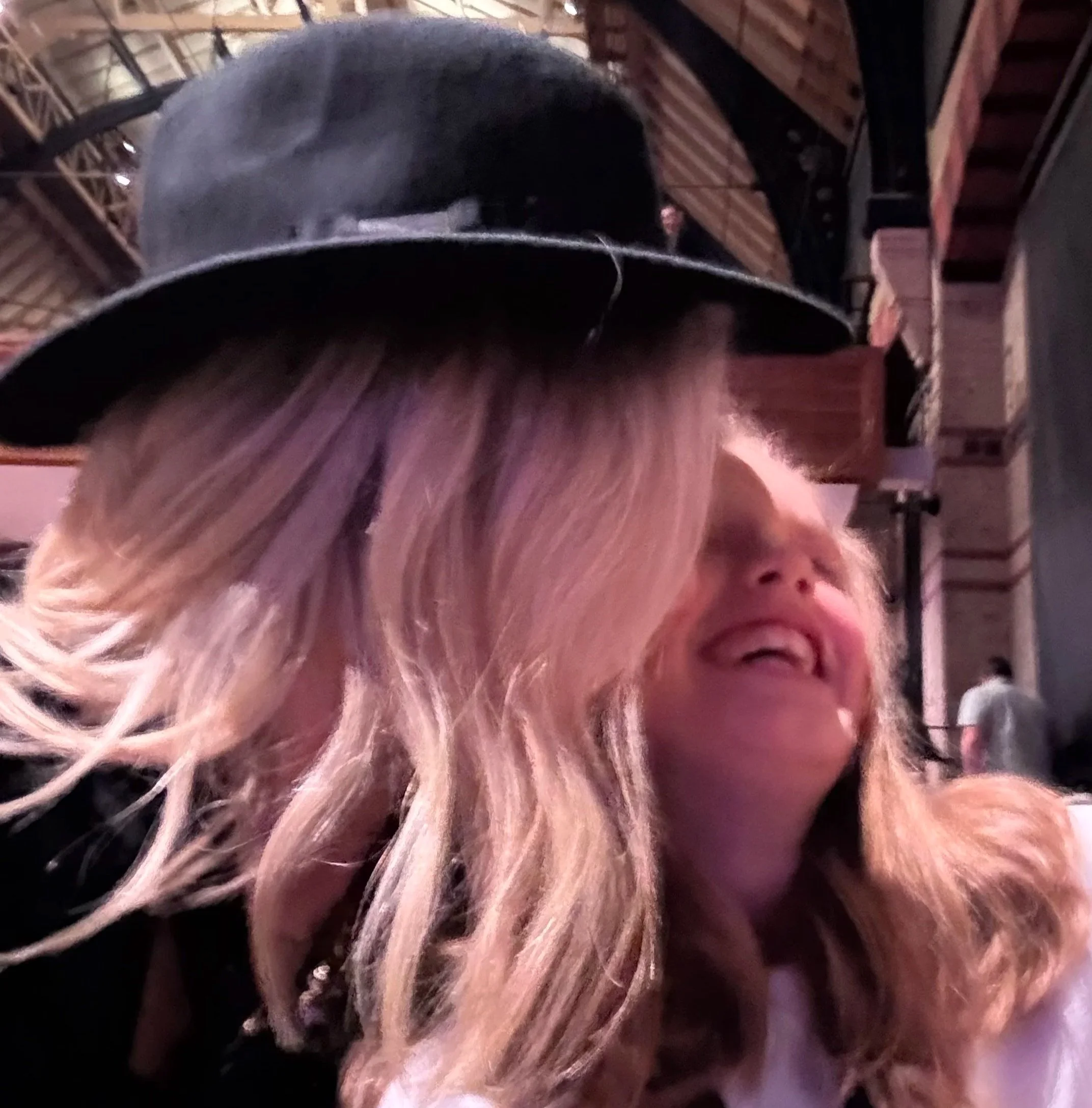
So I am learning to look at my body differently and speak to it differently. I try to thank it more. Sometimes I place my hands on scarred skin and remind myself that these are not flaws. They are evidence. Evidence of resilience, of an incredibly skilled and kind surgeon saving my life, and of the possibility of many more years still to come, causing mischief and spreading love.
There are days when I grieve the body I once had, the body I hated and criticised for so long. Acceptance does not erase sadness. It makes space for it without letting it take over. It allows you to feel and still be gentle with yourself.
I often return to the yogic idea that the body is not something we own, but something we inhabit. A vessel, not an ornament. A partner, not an enemy. When we stop fighting it, something shifts. The nervous system softens, the breath deepens, and healing has room to begin. I am not there yet. Like yoga, I believe this comes with practice and love.
My body may be marked by scars now, but it is my body. It has kept me here. It has adapted through everything it has faced. It has healed in ways I never thought possible.
I am learning, slowly and imperfectly, sometimes with humour and often with tears, to love it as it is. Scars, war wounds, all of it. Because acceptance is not about settling. It is about peace.
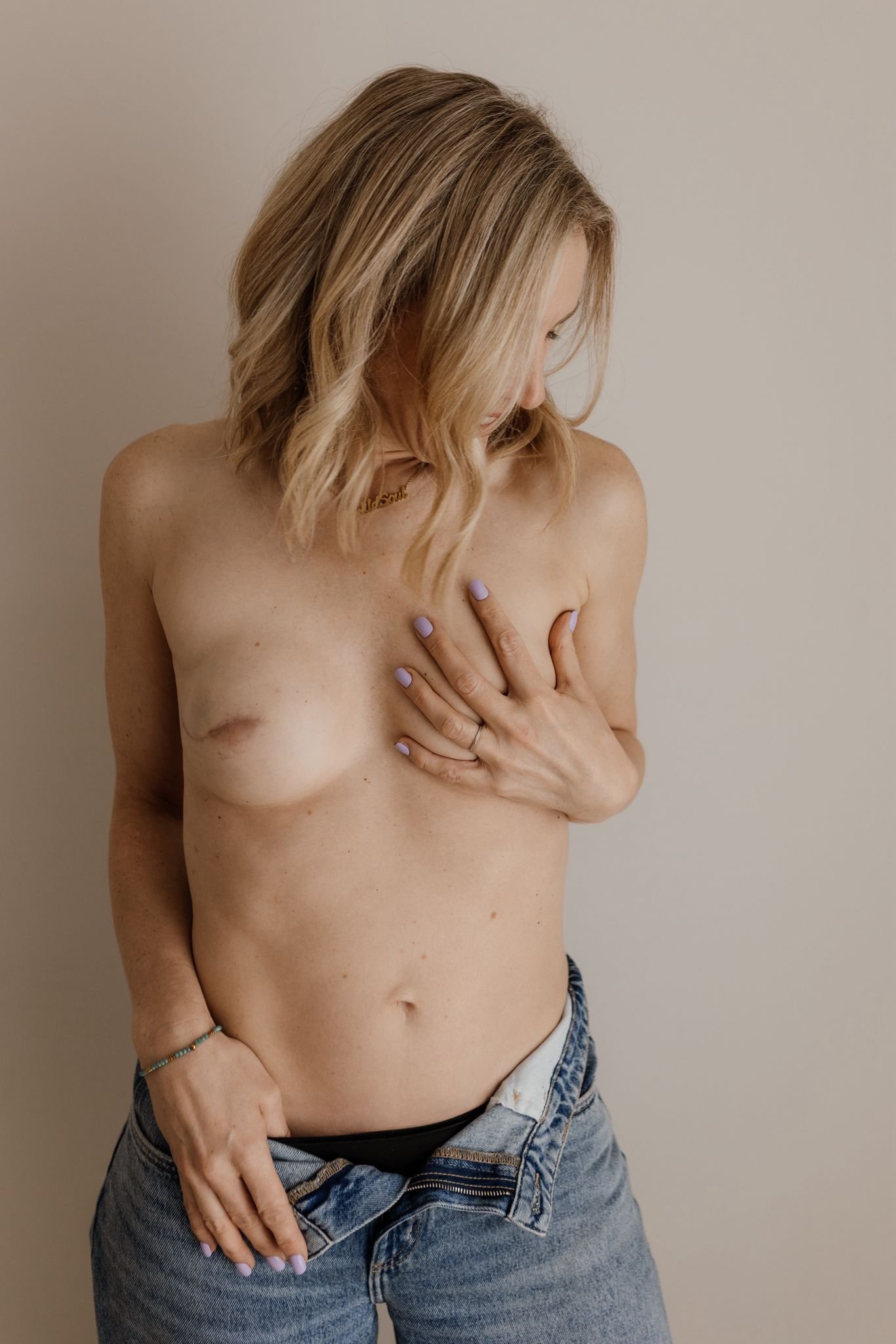
Credit: Caroline Acaster
If you are still here with me, thank you. I want to leave you with a few reflections on acceptance, or ways of rephrasing it, in case one speaks to you.
Making peace
A quiet truce with yourself, where you stop fighting what already exists and redirect that energy towards living.
Allowing
Letting your body be as it is today, without conditions or deadlines for improvement. This one is hard.
Self-permission
Granting yourself the right to exist without constantly needing to justify, fix or explain yourself.
Coming home
Allowing yourself to return to your body after years of standing outside it, judging it like a stranger.
Respect
Treating your body with dignity because of what it has carried you through, not because of how it looks.
Compassion in practice
Not a feeling, but a daily choice to speak to yourself with the same kindness you offer others.
Witnessing without judgement
Seeing your body clearly and honestly, without punishing it for changing.
Reconciliation
Choosing to mend a long, complicated relationship with your own skin.
Gratitude with honesty
Allowing appreciation to sit alongside grief. Some losses are real, and so is thankfulness.
Trust
Believing that your body knows how to heal, adapt and carry you forward, even when it looks different to how you imagined.
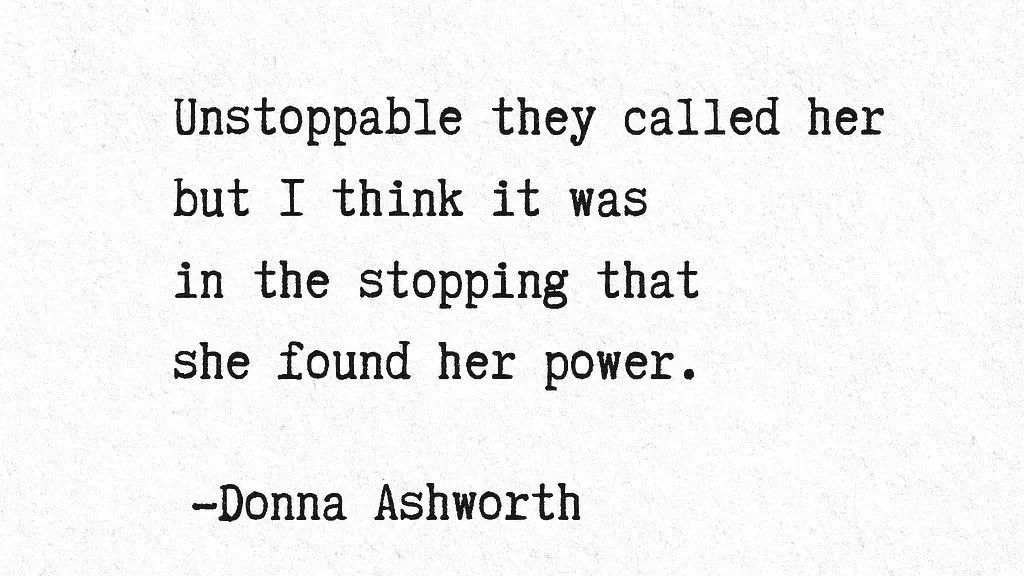
There is a poet, Donna Ashworth, who writes beautifully about self-compassion and womanhood. She often reminds us that acceptance is not about giving up on ourselves, but about coming home. About loosening our grip on who we think we should be and learning to honour who we already are. That sentiment feels deeply relevant to me now, as a woman in her mid-forties who is not ready to give up on herself, who will continue to spread love wherever she can, and who is finally learning to offer some of that love inward too.